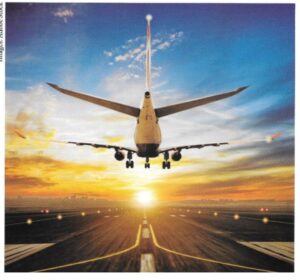
Why Pilots Delay Landing?
Not long ago, a disgruntled passenger took to social media to vent about a flight from Guangzhou to Kuala Lumpur. The complaint centered on the captain’s decision to remain airborne for three hours due to a technical issue with cabin pressurization.
In this case, the aircraft was flying at a lower altitude, where cabin pressurization was not a critical issue. Pressurization problems typically arise at higher altitudes, where oxygen masks would automatically deploy.
But what many passengers didn’t know was that this decision was made to ensure their safety and the safety of the aircraft because a loss of pressurization at above 10,000 feet can have serious consequences.
Why Not Land Immediately?
It all comes down to landing weight. Most commercial aircraft have a maximum landing weight that is significantly lower than their takeoff weight. This means that if a plane is too heavy when it lands, the load could potentially damage its landing gear and other structural components.
This reminds me of a similar incident I had experienced when I encountered a pressurization problem during a flight from Stockholm to Kuala Lumpur many years ago. We had taken off with around 293 tons but our maximum landing weight was about 213 tons. That meant we had to get rid of about 80 tons of fuel before landing. At a dumping rate of around two tons per minute, this process took about 40 minutes.
In cases where a plane needs to land below its maximum landing weight, pilots have two options: they can either dump fuel or burn it off.
Avoiding Fuel Dumping
Not all aircraft are equipped with a fuel dumping system. In such cases, the only option is to burn off the fuel. The captain can employ several techniques to expedite the process.
For instance, staying at a lower altitude, where fuel consumption is higher due to increased engine thrust needed to overcome greater drag and denser air. Flying at a higher speed also burns more fuel per minute, while extending the landing gear can increase drag, further accelerating fuel burn.
While it may seem tedious, this ensures the aircraft reaches a safe weight for landing without jeopardizing the safety of passengers or the structural integrity of the plane.
Understanding Pressurization
A loss of pressurization isn’t always critical – especially at lower altitudes – but it does prevent the aircraft from climbing to cruising levels, where fuel efficiency is optimum. This means the aircraft must stay below 14,000 feet burning more fuel and reducing the range it can travel.
In the case of the Guangzhou to Kuala Lumpur flight, the inability to pressurize the cabin meant that the aircraft could not climb to its intended cruising altitude.
Pressurization is essential for passenger comfort and safety at high altitudes, so without it, the aircraft was limited to lower levels where fuel consumption is higher.
As a result, the captain made the difficult but necessary decision to delay the landing and burn off excess fuel to reduce the aircraft’s weight to within safe landing limits. This was a sound and justifiable decision, as landing overweight could place excessive stress on the landing gear, brakes and other structural components of the aircraft.
Safety Comes First
It’s important to understand that delays due to technical problems, while in-convenient, are sometimes unavoidable. No one – least of all the crew – wants to delay a flight unnecessarily. However, passenger and aircraft safety will always remain the pilot’s top priority, even if that means disrupting schedules.
So, the next time you’re seated on a flight delayed by a technical issue, try to remain calm and patient. Trust that the pilots are making every decision with careful consideration, guided by their training and commitment to your safety.
*The above article appeared in the June 2025 issue of redcap, AirAsia’s in-flight magazine.