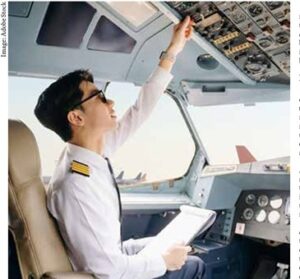
A Day in the Life of a Pilot
For many passengers, air travel is a routine experience – boarding a plane, settling into a seat, and trusting that the air craft will safely reach its destination. But behind the smooth operation of every flight is a carefully organized routine carried out by pilots.
Pre-Flight Routine
A pilot’s day begins long before take-off. Depending on the flight schedule, they might start in the early hours of the morning or late at night. The first step is reviewing the flight plan, a detailed document outlining the route, weather conditions, fuel requirements and potential alternate airports in case of emergency.
Pilots also review NOTAMs (Notices to Airmen), which report temporary changes such as runway closures or airspace restrictions. Weather plays a crucial role. Even if it’s sunny at departure and arrival airports, turbulence or storms along the route may necessitate adjustments.
Before entering the cockpit, pilots conduct a thorough pre-flight inspection of the aircraft, ensuring everything from the engines to the emergency systems is functioning properly. At the same time, they coordinate with cabin crew, dispatchers and engineers to confirm all systems are in order.
On Board Checks
Once on board, pilots follow a strict checklist – aviation standard operating procedures to prevent human error. From engine start-up to taxiing, every action is deliberate and methodical. Passengers might notice the plane moving slowly on the tarmac. This is because pilots must observe airport taxi speed limits, required spacing between aircraft, or weather-related restrictions.
During take-off, pilots rely on calculated thrust settings and critical speeds such as V1, the decision point after which take-off must continue. At cruising altitude, the flight may feel effortless, but pilots remain vigilant. They monitor autopilot systems, fuel consumption and weather radar, all while maintaining constant communication with air traffic control. If turbulence arises, they may adjust altitude or route – not because it’s dangerous, but for passenger comfort.
While rare, emergencies do happen. Pilots train extensively in simulators for scenarios like engine failures, medical emergencies, or extreme weather. Their ability to stay calm under pressure is what makes aviation the safest mode of transport.
Passengers might not realize how much pilots interact with the cabin crew. If some one falls ill mid-flight, pilots assess whether to divert the plane, a decision that involves balancing medical urgency with operation al constraints. They also deal with unexpected issues, like unruly passengers.
A Safe Descent
About 30 minutes before landing, pilots begin preparations for descent, con figuring flaps and briefing the approach. Weather too plays a pivotal role; low visibility may require an Instrument Landing System (ILS) approach, where the plane follows radio signals to the runway. Landing is the most skill-intensive part. Pilots must align the aircraft perfectly, control speed and safely touch down, often while dealing with crosswinds. After shutdown, a pilot completes paperwork, logs flight data and sometimes, debriefs the crew. If they have a layover, they rest in a hotel before the next flight. It is imperative for pilots, particularly those flying long-haul, to manage jet lag and sleep.
Some passengers may not be aware of this, but both the captain and co-pilot eat different meals to avoid simultaneous food poisoning. Whenever a pilot leaves the cockpit for a toilet break, a cabin crew enters until he or she returns. This is for safety and security reasons. Even though the crew may not be able to fly the plane, they are trained to act quickly and provide assistance or call for help if a pilot is incapacitated.
Cockpit visits in the air are prohibited now but many pilots still enjoy explaining aviation to curious kids, usually after landing.
A pilot’s day is a mix of routine and un predictability, blending technical expertise with quick decision-making. Next time you fly, remember that while you’re watching a movie or napping, there’s a highly trained professional ensuring your journey is safe and smooth from take-off to touchdown
*The above article appeared in the July 2025 issue of redcap, AirAsia’s in-flight magazine.