GREENER SKIES AHEAD – From lighter aircraft to cleaner fuels, here is how aviation is becoming more sustainable
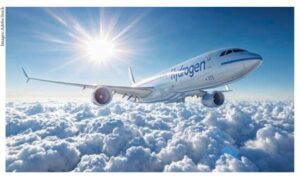
Not long ago, the idea of flying in an environmentally-friendly plane sounded like science fiction. But today, as climate change becomes a global concern, the aviation industry is making big changes to reduce its impact. From smarter aircraft design to cleaner fuels, know that your flight is part of a much bigger journey toward a more sustainable future.
Lighter Planes, Smarter Design
Modern aircraft are built with fuel efficiency in mind. Instead of heavy metals, manufacturers now use lightweight materials like carbon fibre composites. These are strong, durable and significantly lighter. Less weight means less fuel burned.
Take the Airbus A350, for example. This jet uses up to 25 percent less fuel than older models. It’s not just the materials that help. Sleeker wings, smarter engines and advanced flight systems all work in harmony to make flying more efficient.
Fueling The Future
Aviation’s carbon challenge largely comes down to fuel. That’s where Sustainable Aviation Fuel (SAF) comes in. Produced from renewable sources like used cooking oil, algae and agricultural waste, SAF can potentially cut carbon emissions by up to 80 percent compared to regular jet fuel.
Airlines are starting to mix SAF into their fuel supply, especially on major routes. It’s still more expensive and not widely available, but investment is gaining momentum. In 2021, United Airlines marked a milestone by flying a passenger jet from Chicago to Washington, D.C. using 100 percent SAF in one engine.
Smarter Engines And Aerodynamics
New engines are also helping reduce emissions. Next-generation models, such as the Pratt & Whitney GTF and Rolls-Royce UltraFan, are designed to burn less fuel and operate more quietly. They use advanced materials and clever engineering to maximize performance with a smaller environmental footprint.
And have you noticed those little upturned tips on airplane wings? They’re called winglets. These help reduce drag, which means better fuel efficiency. Even more futuristic are blended wing designs, where the body and wings merge seamlessly into one smooth shape, like something out of a sci-fi movie.
Hydrogen: The Next Big Leap?
The idea of hydrogen-powered planes might sound futuristic, but they’re in development. Airbus is already working on hydrogen-powered aircraft under its ZEROe programmed, with a target launch date of 2035. The appeal is obvious: when burned, hydrogen produces only water vapor and no carbon emissions.
There are challenges, particularly around storing and transporting hydrogen safely. But the potential is huge. If successful, hydrogen could transform medium and long-haul air travel, offering a game-changing solution.
Flying Smarter, Not Just Cleaner
Greener aviation isn’t just about the planes. It’s also about how we fly. New flight planning tools now help pilots choose more direct routes, avoid crowded skies and descend more smoothly. These changes save fuel and reduce emissions.
Some airlines are also testing ‘eco-flying’ techniques, such as continuous descent and optimized cruising speeds. These approaches not only help the planet but also make your flight quieter and more comfortable.
What You Can Do As A Passenger
You don’t need to be an engineer to help make flying greener. Every traveller can play a part:
- Pack light – less weight means less fuel.
- Choose airlines that use SAF or offset emissions.
- Consider carbon offset programmed when booking your flight.
And soon, you might be able to hop aboard an all-electric plane for short regional trips. Several companies are racing to make that a reality by the end of the decade.
A Greener Horizon
Air travel may never be completely carbon-free, but the industry is making impressive strides. With smarter designs, cleaner fuels, and better flight practices, the skies are becoming more sustainable.
So, as you sit back and enjoy your flight, take a moment to appreciate the innovation happening all around you. The journey toward greener aviation is well underway – and the future looks bright.
*This article is featured in the November 2025 issue of AirAsia’s in-flight magazine ‘redcap’.