THE PSYCHOLOGY OF FLYING
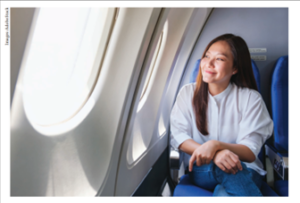
For most people, flying is more than just a way to get from one place to another. It’s a mix of excitement, curiosity and sometimes a touch of nervousness. Some passengers can’t wait to board, already planning what movie to watch or what meal to choose. Others, however, grip the armrest a little tighter the moment the aircraft begins to taxi. It’s fascinating how one experience can stir such different emotions. So, what really goes on in our minds when we fly?
Joy Of Taking Off
Let’s start with those who love to fly. There’s something magical about it, isn’t there? The gentle hum of the engines, the rush of acceleration on the runway, and that moment when the wheels lift and the ground fades away.
For centuries, we’ve watched birds and wished we could join them. Air travel made that dream an everyday reality. Today, we can cross oceans in hours, watch sunsets from above the clouds and see entire cities in miniature from our window seat.
Some travellers really enjoy the experience of flying. Whether you’re heading home after a long trip or setting off somewhere you’ve never been, that feeling of anticipation makes flying special.
Fear Of Flying
For others, however, being in the air can trigger genuine fear. Psychologists estimate that nearly four out of 10 travellers feel some level of anxiety before or during a flight.
Much of that fear comes from not being in control. On a plane, you can’t simply stop and step out if you feel uneasy. You’re trusting the pilots and the aircraft to do everything right but the mind sometimes struggles with that lack of control.
Then there’s turbulence. To an anxious flyer, those bumps can feel alarming, even though they’re a normal part of flying. The truth is, modern aircraft are built to withstand far stronger forces than turbulence can produce, and pilots are trained to deal with it. They adjust altitude to find smoother airspace long before passengers notice.
Some people are also affected by the confined space, the unusual sounds, or even the idea of being high above the ground. Add dramatic headlines about rare incidents, and it’s easy to see how fear takes hold.
How Airlines Help
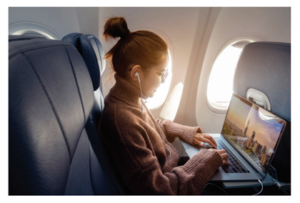
Airlines, over the years, have made flying not just safer, but also more calming. Today’s aircraft cabins are quieter, lighting is more soothing and seats are designed with comfort in mind. Even the cabin air and temperature are carefully regulated to help passengers feel relaxed.
Cabin crew too, are trained to recognize nervous travelers. That reassuring smile or friendly chat is not just good service. It’s part of helping passengers feel at ease.
Simple Ways To Stay Calm
If you’re someone who feels uneasy in the air, these few tips can make a big difference. Try slow, deep breathing before and during take-off. Avoid too much coffee or alcohol as these can increase anxiety. Choose a seat near the wings, if possible, as the ride feels steadier there. Listening to music, reading or watching a movie can also keep your mind occupied.
And remember that pilots spend thousands of hours training before they ever carry passengers. They’re constantly tested and refreshed on safety procedures. You’re truly in good hands.
The Shared Experience
Whether you’re a first-time traveller watching the clouds drift by, or someone quietly counting the minutes to landing, we all share one thing: that awe-inspiring moment when the aircraft lifts off and the world unfolds below.
Flying is, after all, one of humanity’s greatest achievements – a mix of science, skill and a little bit of wonder. So, the next time you find yourself in the air, take a deep breath, look out the window, and remember that you’re part of an incredible story that began with a dream to fly