
SKY STRATEGY – Every flight on the map exists for a reason. Here is how airlines decide where to fly
For most passengers, a flight feels simple: book a ticket, board the plane, arrive at your destination. But behind every route is a story of careful calculation, strategy, and sometimes bold decisions. Airlines don’t just fly wherever they please – every city on the map has been chosen for a reason.
It Starts With Demand
The most important question any airline asks is: do enough people want to fly this route, and will they pay a fare that makes it worthwhile? Routes between major business cities like New York and London or Dubai and Singapore tend to attract steady, year-round traffic.
Leisure destinations like Bali or Malé may fill planes during holidays but tend to be quieter off-season. Airlines use data models to study booking trends, tourism forecasts, and regional economic growth. If the numbers stack up, a route gets the green light. If demand weakens, it gets cut.
The Competition Factor
Demand alone isn’t enough. Even a busy city pair can be unprofitable if too many airlines are competing for the same passengers. When a market is crowded, fares drop and margins shrink. Airlines must decide whether to fight for their share or redirect aircraft somewhere more rewarding.
Low-cost carriers have changed this game significantly. Their ability to offer bargain fares can reshape a market overnight, forcing full-service airlines to rethink their strategy on any given route.
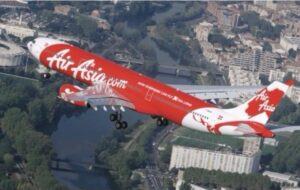
How Hubs Shape The Map
Many airline networks are built around hubs – large airports where passengers connect to onward flights. A route between a smaller city and a major hub like Dubai, London or Singapore may not be busy with local travellers, but it can still be highly valuable if it funnels passengers onto long-haul connections to Europe, Asia or Africa.
This hub-and-spoke model explains why some seemingly unlikely routes exist. They may not serve a large local market, but they feed the wider network – keeping big-ger, long-haul aircraft full.
Hidden Leverage Of Airports
Airports influence route decisions more than most passengers realise. Landing fees, gate availability and runway length all matter. Some airports actively court airlines with financial incentives or marketing support, hoping new routes will boost tourism and business. Others that are too expensive, too congested or lacking the infrastructure for large aircraft may get passed over.
Forces Beyond Economics
Route maps are also shaped by factors outside any airline’s control. International flights depend on bilateral agreements between governments that determine who can fly where. Fuel prices, currency swings and major global events like pandemics, conflicts and economic downturns can make a once-profitable route suddenly unviable.
Cultural connections matter too. Airlines frequently serve cities with large diaspora communities, keeping families connected across continents. New waves of migration or growing trade links can inspire fresh routes, while shifts in global relations can close others.
Why Routes Disappear
If a favourite route has ever vanished from the schedule, the reason is almost always financial. Demand fell, a competitor undercut fares, or operating costs rose. Airlines constantly review performance, and routes that consistently underperform are dropped so aircraft can be redeployed more profitably elsewhere.
The good news? Routes can come back.
A city dropped during tough times may reappear when conditions improve. Airline route maps are living, breathing documents – always shifting with the world around them.
The Bigger Picture
For travellers, these behind-the-scenes decisions have real consequences. A new nonstop flight can open up a destination that once required a lengthy detour. A cancelled route can mean higher fares and frustrating layovers.
So next time you settle into your seat, spare a thought for the invisible story behind your flight. It exists because someone studied the data, weighed the risks and decided that connecting you to your destination made both business and human sense.
*This article is featured in the August 2026 issue of AirAsia’s in-flight magazine redcap.
For more stories, kindly read my latest book, A Pilot’s Story. More details are found
here www.askcaptainlim.com/pilots-story