From Dollar to Ringgit: A Pilot’s Pocketful of History
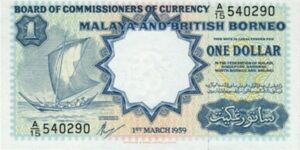
Have you seen this note? 👆
Unless you’re of my vintage, probably not. This is the Malaya and British Borneo $1 note, dated 1959.
In February 1967, I boarded a plane to the UK for my RMAF flying training with a wallet full of these. I had no idea that within months, the money in my pocket would start becoming history.
Back then, £1 bought RM8.57, and a young Pilot Officer earned a basic RM360 a month — about £42. Then, in November 1967, Britain devalued the pound, and overnight £1 became RM7.35. Today, it’s around RM5.41.
I’ve watched that number shrink, fluctuate and, for the most part, strengthen throughout my entire adult life.
The old notes stayed legal tender until January 1969, even after Malaysia, Singapore and Brunei went their separate ways with their own currencies in June 1967.
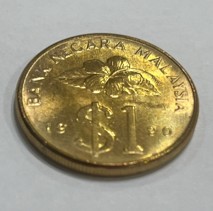
And “ringgit”? It means “jagged” in Malay, after the serrated edges of the Spanish silver dollars that traded across this region centuries ago. Malays were calling dollars “ringgit” long before independence, but it only became the official name in 1975.
So next time you hold a one-ringgit coin, remember it carries the name of a jagged silver coin, a vanished currency union, and a young pilot’s old banknotes.
Anyone else still keeping one of these in a drawer?
For more stories, kindly read my latest book, A PILOT’S STORY. More details are found